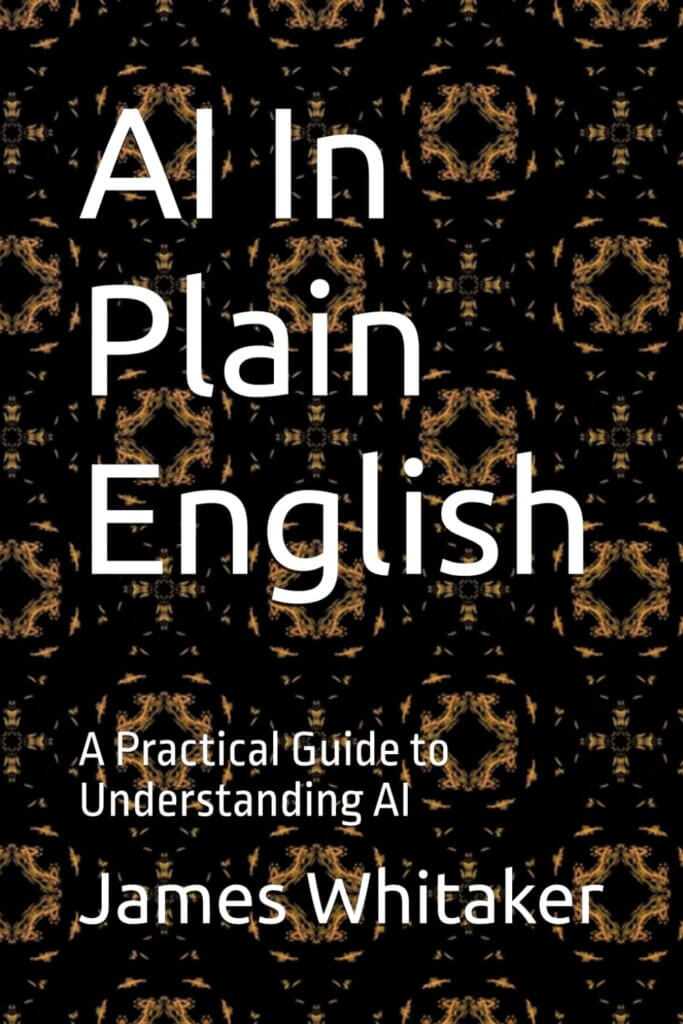
A clear, practical guide to artificial intelligence written especially for insurance professionals.
AI in Plain English explains artificial intelligence concepts, risks, and applications through an insurance lens. Designed for agents, brokers, underwriters, and anyone who needs to understand AI without technical jargon, this book uses insurance‑focused examples to make AI concepts clear, relevant, and immediately useful in client conversations and everyday insurance work.
This Plain‑English guide breaks down the key AI concepts insurance professionals need to understand, giving you clear explanations and practical insights you can use immediately.
- How modern AI systems actually work Clear explanations of large language models, machine learning, predictive analytics, and automation — without jargon or technical complexity.
- The insurance applications that matter most Underwriting, claims, customer service, fraud detection, risk management, compliance, and operational efficiency — all explained in practical, real‑world terms.
- AI’s impact on risk management and cybersecurity How AI strengthens (and sometimes complicates) risk assessment, threat detection, data protection, and cyber‑readiness for agencies and carriers.
- Compliance, governance, and ethical use of AI The regulatory considerations, documentation requirements, and oversight practices insurance organizations must follow as AI becomes part of daily operations.
- How AI changes underwriting and pricing Predictive models, data sources, risk signals, and the evolving role of human judgment in an AI‑augmented underwriting environment.
- Claims automation and the future of claims handling Where automation helps, where human expertise remains essential, and how AI reshapes investigation, documentation, and fraud detection.
- Practical workflows you can use right away Real examples of how agents, brokers, underwriters, and risk managers can integrate AI tools into communication, analysis, and client service.
- How to communicate AI clearly to clients and colleagues Plain‑English explanations, analogies, and frameworks that make complex AI concepts easy to understand and easy to explain.
This Plain‑English guide breaks down the key AI concepts insurance professionals need to understand, giving you clear explanations and practical insights you can use immediately.
- Insurance agents and brokers Professionals who want to understand how AI affects client communication, quoting, service workflows, and the expectations clients now bring to the table.
- Underwriters and product specialists Those who need a clear explanation of predictive models, risk signals, automation, and how AI is reshaping underwriting judgment and pricing.
- Claims professionals Adjusters, examiners, and managers who want to understand how AI supports investigation, documentation, fraud detection, and faster claims resolution.
- Risk managers and cybersecurity professionals Experts who must evaluate AI‑driven tools, strengthen cyber defenses, and understand how AI changes threat detection and risk assessment.
- Agency owners and operational leaders Decision‑makers who need practical guidance on where AI genuinely improves efficiency — and where human expertise remains essential.
- Benefits advisors and consultants Professionals who want to understand how AI affects plan design, compliance, communication, and the growing role of automation in employee benefits.
- Anyone who needs AI explained simply and correctly Readers who want a clear, jargon‑free understanding of modern AI without technical complexity or hype.
This Plain‑English guide breaks down the key concepts you need to understand, giving you clear explanations and practical insights you can use immediately.
- How modern AI systems actually work A clear, jargon‑free explanation of large language models, machine learning, predictive analytics, and automation — written for insurance professionals, not engineers.
- The insurance applications that matter most Underwriting, claims, customer service, fraud detection, risk management, compliance, and operational efficiency — all translated into practical, real‑world terms.
- AI’s impact on risk management and cybersecurity How AI strengthens threat detection, improves data protection, and reshapes cyber‑readiness for agencies, carriers, and employer groups.
- Compliance, governance, and responsible use of AI The regulatory considerations, documentation requirements, and oversight practices organizations must follow as AI becomes part of everyday insurance operations.
- How AI changes underwriting and pricing Predictive models, new data sources, risk signals, and the evolving role of human judgment in an AI‑augmented underwriting environment.
- Claims automation and the future of claims handling Where automation helps, where human expertise remains essential, and how AI reshapes investigation, documentation, and fraud detection.
- Practical workflows you can use right away Real examples of how agents, brokers, underwriters, and risk managers can integrate AI tools into communication, analysis, and client service.
- How to communicate AI clearly to clients and colleagues Plain‑English explanations, analogies, and frameworks that make complex AI concepts easy to understand — and easy to explain.
About James Whitaker, CPCU
James Whitaker, CPCU, is the publisher of Smarts Publishing and author of the Plain‑English Insurance Series. With over 30 years in insurance publishing, he creates clear, accessible guides that help consumers and professionals understand insurance, risk, and related subjects with confidence. He is also the creator of the Insurance Timeline Project.
Looking for more Plain‑English books?
You can see how this popup was set up in our step-by-step guide: https://wppopupmaker.com/guides/auto-opening-announcement-popups/