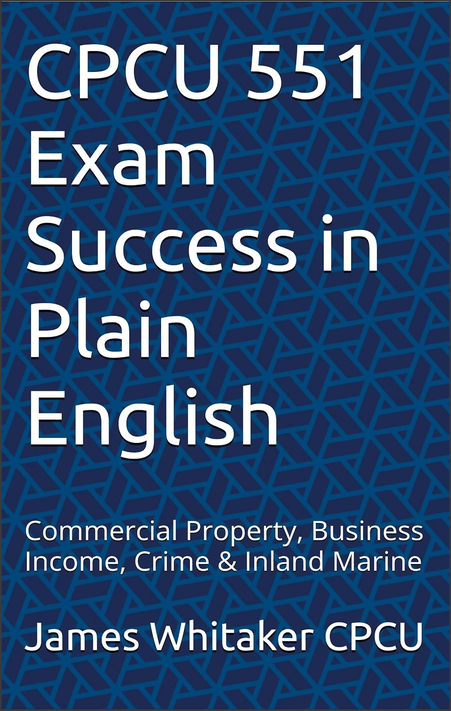
A plain‑English foundation in commercial property coverage, key definitions, and how property policies are structured.
Section 1 introduces the essential building blocks of commercial property insurance. You’ll learn how property policies define buildings and business personal property, how coverage is triggered, and how insurers classify, value, and protect physical assets. The material is broken into short, clear explanations that show you how commercial property coverage works in real‑world underwriting and claims, giving you the foundation you need for the more advanced topics later in the course.
Commercial property insurance can feel technical and detail‑heavy, especially when you get into valuation, coverage triggers, business income calculations, crime forms, and inland marine rules. This guide breaks everything into simple, intuitive explanations that show you how these coverages work in real underwriting and claims. You’ll learn how property is defined, how losses are measured, how income is protected, and how specialized inland marine and crime coverages fill gaps that standard property policies don’t address.
- How commercial property policies define buildings and business personal property
- Coverage triggers — including causes of loss, exclusions, and conditions
- Valuation methods such as replacement cost, actual cash value, and agreed value
- Business income and extra expense coverage and how insurers calculate lost income
- Crime insurance fundamentals — including employee theft, forgery, fraud, and money‑and‑securities coverage
- Inland marine concepts and why certain property requires specialized coverage
- How deductibles, limits, and coinsurance affect claim payments
- Real‑world examples showing how property, income, crime, and inland marine coverages apply in actual losses
CPCU 551 covers some of the most widely used and detail‑heavy commercial coverages in the industry. For many insurance professionals, the challenge isn’t the concepts themselves — it’s the dense policy language, valuation rules, business income calculations, and specialized inland marine and crime forms. This guide makes all of it easy to understand. Whether you’re new to commercial lines or simply want clearer, more intuitive explanations, this book shows you how these coverages work in real underwriting and claims.
- New commercial lines professionals who need a plain‑English introduction to property, business income, crime, and inland marine
- Underwriters, claims reps, and producers who want a clearer understanding of how these coverages apply to real‑world losses
- Supervisors and managers looking for a practical explanation of valuation, coinsurance, income loss calculations, and specialized property risks
- Experienced insurance pros who know the business but want a simpler, more intuitive way to learn CPCU 551’s technical coverage concepts
- Career‑changers and new entrants who need a solid foundation in commercial property and related coverages
- Anyone preparing for the CPCU 551 exam who wants less jargon, more clarity, and a guide that makes complex coverage topics easy to absorb
CPCU 551 covers the core commercial property coverages every insurance professional must understand — from how buildings and business personal property are insured to how income losses are calculated and how crime and inland marine exposures are handled. This guide breaks the material into short, clear chapters that show you exactly how these coverages work in real underwriting and claims. You’ll learn how property is valued, how losses are measured, how income is protected, and why certain types of property require specialized inland marine or crime coverage.
- Plain‑English explanations of commercial property definitions, coverage forms, and causes of loss
- Clear breakdowns of valuation methods, deductibles, limits, and coinsurance
- Step‑by‑step illustrations of business income and extra expense calculations
- Real‑world examples showing how crime coverages apply to theft, fraud, forgery, and employee dishonesty
- Straightforward explanations of inland marine concepts, classes, and coverage triggers
- Practical guidance on how property, income, crime, and inland marine coverages respond to actual losses
- Chapter review questions that reinforce key concepts and help you check your understanding
- Exam‑focused summaries highlighting what CPCU 551 expects you to know
- A logical, intuitive structure that makes technical coverage topics easy to absorb
About James Whitaker, CPCU
James Whitaker, CPCU, is the publisher of Smarts Publishing and author of the Plain‑English Insurance Series. With over 30 years in insurance publishing, he creates clear, accessible guides that help consumers and professionals understand insurance, risk, and related subjects with confidence. He is also the creator of the Insurance Timeline Project.
Looking for more Plain‑English books?
You can see how this popup was set up in our step-by-step guide: https://wppopupmaker.com/guides/auto-opening-announcement-popups/