Everything You Need to Understand to Pass the P&C Licensing Exam — Explained in Plain English
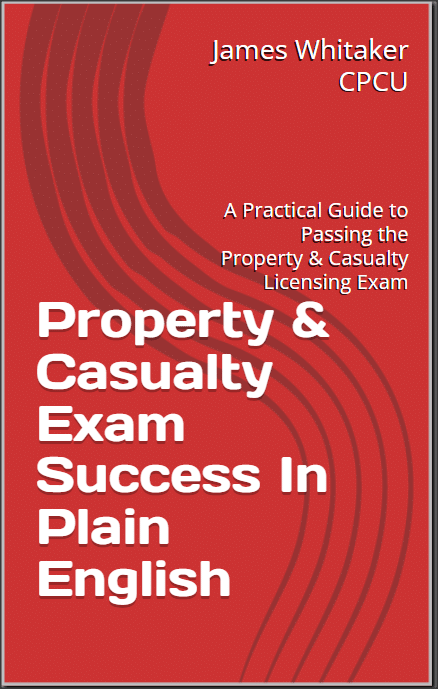
Property & Casualty Exam Success in Plain English gives new insurance professionals a clear, practical understanding of the concepts tested on the P&C licensing exam. Instead of dense outlines or jargon‑heavy textbooks, this guide explains essential P&C topics in everyday language, making complex ideas easy to grasp and remember.
You’ll learn the fundamentals of property and liability insurance, personal and commercial lines, policy structures, underwriting basics, and claims processes — all presented in a way that connects exam content to real‑world insurance practice. Each chapter breaks down key concepts into simple explanations, helpful examples, and focused review points that reinforce what matters most for exam success.
Whether you’re entering the insurance industry for the first time or returning after a break, Property & Casualty Exam Success in Plain English provides the clarity, confidence, and practical insight you need to pass your exam and start your career strong.
This Plain‑English guide breaks down the key P&C exam concepts you need to understand, giving you clear explanations and practical insights you can use immediately
- The core principles of property and liability insurance Clear explanations of insurable interest, negligence, indemnity, actual cash value, replacement cost, and the foundational ideas the exam tests repeatedly.
- How personal lines policies are structured and what they cover Homeowners, auto, dwelling, and personal liability — explained in everyday language that makes memorization easier and understanding stronger.
- The major commercial lines you’ll see on the exam Commercial property, general liability, commercial auto, workers’ compensation, crime, inland marine, and businessowners policies — simplified and connected to real‑world practice.
- How insurance contracts work Policy parts, conditions, exclusions, endorsements, and the legal concepts behind insurance agreements, all explained without jargon.
- Underwriting basics and the factors that influence pricing Risk characteristics, rating variables, loss history, and how insurers evaluate and classify exposures.
- The claims process from start to finish Reporting, investigation, settlement, adjuster responsibilities, and the practical steps behind how claims are handled.
- Exam‑focused review points that reinforce key concepts Concise summaries, examples, and reminders that help you retain what matters most for exam day.
This Plain‑English guide breaks down the key P&C exam concepts you need to understand, giving you clear explanations and practical insights you can use immediately.
- New insurance agents preparing for the P&C licensing exam Readers who need clear, simple explanations of core concepts — not dense outlines or confusing technical language.
- Career‑changers entering the insurance industry Professionals transitioning from other fields who want a straightforward, confidence‑building introduction to P&C fundamentals.
- Agency staff who need a stronger foundation in P&C basics CSRs, assistants, and support personnel who benefit from understanding how property and liability coverage actually work.
- Returning insurance professionals refreshing their knowledge Those re‑entering the industry who need a modern, plain‑English review of essential P&C concepts before testing.
- Students in insurance or risk‑management programs Learners who want a readable, real‑world explanation of P&C principles that connects classroom theory to practical application.
- Anyone who wants P&C insurance explained simply and correctly Readers who prefer clear language, practical examples, and explanations that make sense — without jargon or complexity.
This Plain‑English guide breaks down the key P&C exam concepts you need to understand, giving you clear explanations and practical insights you can use immediately.
- The fundamentals of property and liability insurance Clear explanations of insurable interest, negligence, indemnity, actual cash value, replacement cost, and the core principles the exam expects you to know cold.
- How personal lines policies are structured Homeowners, auto, dwelling, and personal liability — simplified so you understand what each policy covers, how it works, and why it matters on the exam.
- The major commercial lines tested on the exam Commercial property, general liability, commercial auto, workers’ compensation, crime, inland marine, and businessowners policies — explained in everyday language.
- How insurance contracts are built Declarations, insuring agreements, conditions, exclusions, endorsements — and how these pieces fit together to form a complete policy.
- Underwriting basics and rating concepts Risk characteristics, loss history, rating variables, and how insurers evaluate exposures and determine premiums.
- The claims process from start to finish Reporting, investigation, settlement, adjuster responsibilities, and the practical steps behind how claims are handled in real life.
- Exam‑focused review points that reinforce key concepts Concise summaries, examples, and reminders that help you retain what matters most for exam day.
About James Whitaker, CPCU
James Whitaker, CPCU, is the publisher of Smarts Publishing and author of the Plain‑English Insurance Series. With over 30 years in insurance publishing, he creates clear, accessible guides that help consumers and professionals understand insurance, risk, and related subjects with confidence. He is also the creator of the Insurance Timeline Project.
Looking for more Plain‑English books?
You can see how this popup was set up in our step-by-step guide: https://wppopupmaker.com/guides/auto-opening-announcement-popups/